
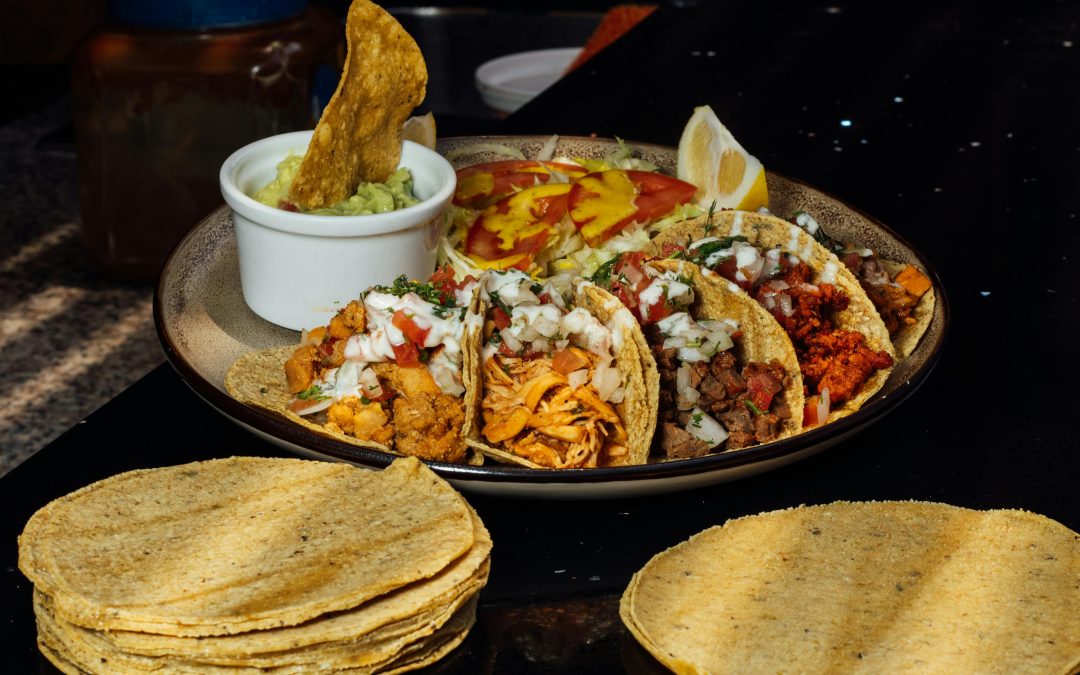
Planning an event comes with a long to do list. Food is usually at the top. If you are thinking about serving tacos, enchiladas, and fresh guacamole, you might be wondering how everything actually comes together behind the scenes. That is exactly where understanding how Mexican food catering works can make your life easier.
Mexican cuisine is one of the most popular food choices in the United States. According to data from the National Restaurant Association, Mexican food consistently ranks among the top three favorite global cuisines for American diners. That popularity makes it a safe yet exciting option for birthdays, weddings, corporate lunches, and family celebrations.
Let us walk through how Mexican food catering works so you know what to expect and how to make the most of it.
Why Mexican Food Is a Crowd Favorite
Before diving into logistics, it helps to understand why this cuisine works so well for events.
Mexican food is flexible, colorful, and easy to customize. You can serve it buffet style, family style, or through live taco stations. Guests can build their own plates, which helps accommodate different preferences and dietary needs.
Many traditional dishes also naturally support variety:
- Corn tortillas for gluten sensitive guests
- Beans and grilled vegetables for vegetarians
- Chicken, beef, pork, or seafood for meat lovers
- Salsas ranging from mild to spicy
Because of this flexibility, Mexican catering often reduces stress around menu planning. There is something for almost everyone.
The First Step: Consultation and Menu Planning
The process usually begins with a consultation. This can be done over the phone, online, or in person.
During this stage, the caterer will ask questions such as:
- How many guests are you expecting?
- What type of event are you hosting?
- Is it formal, casual, or somewhere in between?
- Do you have dietary restrictions to consider?
- What is your budget range?
This is where you begin to see how Mexican food catering works in a practical sense. The caterer designs a menu around your needs. You might choose:
- Taco bars with multiple protein options
- Full buffets with rice, beans, enchiladas, and sides
- Appetizer spreads with quesadillas, taquitos, and chips with guacamole
- Dessert stations featuring churros or tres leches cake
Many caterers also offer tastings for larger events such as weddings. This allows you to sample dishes and finalize your choices with confidence.
Customization and Dietary Needs
One of the best parts about Mexican catering is customization. Because many dishes are built around simple components like tortillas, rice, beans, and grilled proteins, it is easier to adapt.
For example:
- Vegetarian guests can enjoy grilled vegetable fajitas or bean enchiladas
- Vegan guests can skip cheese and sour cream while still enjoying flavorful options
- Guests who prefer mild food can avoid spicy salsas
As food allergies and dietary preferences become more common, flexibility matters. According to a 2023 report by the International Food Information Council, nearly one in four Americans follows a specific eating pattern or diet. Catering services that understand this trend are better prepared to serve diverse groups.
When learning how Mexican food catering works, it becomes clear that communication is key. The more details you provide upfront, the smoother the event will run.
Food Preparation and Sourcing
After the menu is finalized, the caterer handles sourcing and preparation. Reputable caterers focus on fresh ingredients such as:
- Fresh cilantro, onions, and limes
- House made salsas
- Freshly grilled meats
- Handmade or high quality tortillas
Food safety is also a major part of the process. Professional caterers follow local health regulations, maintain proper storage temperatures, and transport food safely. Hot items must stay hot, and cold items must stay chilled.
In larger operations, prep may begin a day or two before the event. Proteins might be marinated in advance, and sauces prepared early to develop flavor. On the event day, final cooking and assembly ensure freshness.
This behind the scenes work is a big part of how Mexican food catering works smoothly without you having to worry about timing.
Setup and Service Styles
The day of the event is where everything comes together.
Caterers typically arrive early to set up tables, chafing dishes, serving utensils, and sometimes decorations that match the theme. Depending on your package, you may choose from different service styles:
Buffet Style
This is the most common option. Guests walk along a serving line and build their own plates. It works well for:
- Corporate events
- Graduation parties
- Large family gatherings
Buffets encourage interaction and allow guests to control portion sizes.
Live Stations
Taco or fajita stations add an interactive element. Chefs prepare food on site, sometimes grilling meats fresh in front of guests. This setup feels festive and works especially well for weddings and milestone celebrations.
Plated Service
For more formal events, dishes can be plated in the kitchen and served directly to tables. This approach requires more coordination but creates a polished experience.
Understanding these formats helps clarify how Mexican food catering works for different event types. The structure can be adapted to match your vision.
Staffing and On Site Support
Depending on the event size, you may need servers, bartenders, or attendants for live stations.
Staff responsibilities often include:
- Refilling food trays
- Assisting guests
- Clearing tables
- Maintaining cleanliness
For smaller gatherings, drop off catering may be enough. In this case, the caterer delivers the food in insulated containers with setup instructions. You or your team handle serving.
For larger events, full service catering provides peace of mind. The team stays on site to manage logistics while you focus on enjoying the event.
Equipment, Rentals, and Logistics
Another important part of how Mexican food catering works involves equipment.
Caterers may provide:
- Chafing dishes and fuel
- Serving utensils
- Plates, cutlery, and napkins
- Tables and linens
If your venue does not have a kitchen, the caterer might bring portable cooking equipment. Outdoor events may require tents or power sources.
Logistics also include timing. Food is usually served within a specific window to maintain freshness and safety. Coordinating with your venue and other vendors helps ensure everything runs on schedule.
Cost Factors to Consider
Catering costs vary based on:
- Guest count
- Menu complexity
- Service style
- Staffing needs
- Rentals and equipment
On average, catering in the United States can range widely depending on region and service level. Buffet style Mexican catering is often considered cost effective compared to individually plated gourmet meals.
The best approach is transparency. Ask for a detailed quote that breaks down food, labor, rentals, and any additional fees. That clarity makes it easier to stay within budget.
Tips for a Smooth Experience
If you want everything to run seamlessly, keep these tips in mind:
- Confirm your final guest count at least one week in advance
- Share venue details including kitchen access and parking
- Communicate dietary restrictions clearly
- Ask about cleanup responsibilities
When you understand how Mexican food catering works, you can anticipate needs and avoid last minute surprises.
Final Thoughts on Planning Your Event
At the end of the day, catering is about creating an enjoyable experience. Mexican food brings bold flavors, vibrant presentation, and flexibility that works for almost any occasion.
By understanding how Mexican food catering works, you can confidently plan your event, ask the right questions, and choose a setup that fits your style and budget. From menu design to on site service, each step is designed to take pressure off your shoulders.
So whether you are hosting a casual backyard party or a formal wedding reception, Mexican catering can deliver a flavorful and memorable experience without unnecessary stress.