
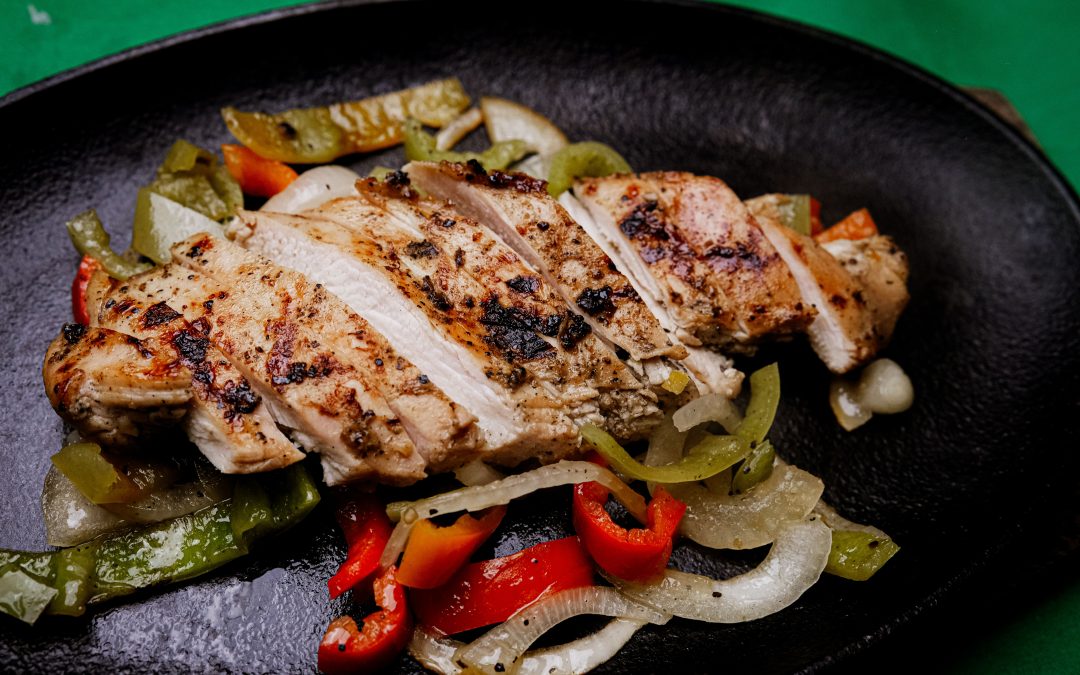
If you’ve ever enjoyed a plate of sizzling fajitas, cheesy nachos, or rich enchiladas, you may have wondered whether those dishes are truly Mexican. The answer is not always straightforward. Many popular favorites served in restaurants are actually Tex-Mex rather than traditional Mexican cuisine.
Understanding the difference between Tex-Mex and authentic Mexican food can help you appreciate both styles for what they are. While they share some ingredients and cultural roots, each has its own unique history, flavors, and cooking techniques.
Whether you’re planning your next restaurant visit or simply curious about the foods you love, here’s everything you need to know.
What Is Tex-Mex?
Tex-Mex is a regional cuisine that developed in Texas, influenced by Mexican cooking traditions and American tastes. The name comes from “Texas” and “Mexico,” reflecting the cultural blend that shaped the cuisine over generations.
Tex-Mex became especially popular throughout the United States during the 20th century. Today, it is one of the country’s favorite comfort food styles, featuring generous portions, melted cheese, seasoned beef, and flour tortillas.
Some classic Tex-Mex dishes include:
- Nachos
- Chili con carne
- Fajitas
- Crispy tacos
- Cheese enchiladas
- Queso dip
These dishes are flavorful, hearty, and designed to satisfy big appetites.
What Is Authentic Mexican Food?
Authentic Mexican food reflects centuries of culinary traditions that combine Indigenous ingredients with Spanish influences. Every region of Mexico has its own specialties, creating one of the world’s most diverse cuisines.
According to the United Nations Educational, Scientific and Cultural Organization (UNESCO), traditional Mexican cuisine was added to the Representative List of the Intangible Cultural Heritage of Humanity in 2010 because of its cultural significance and long-standing culinary traditions.
Authentic Mexican cooking emphasizes fresh ingredients, balanced flavors, and handmade preparation methods.
Popular authentic dishes include:
- Tacos al pastor
- Mole
- Pozole
- Tamales
- Chiles rellenos
- Cochinita pibil
Many recipes have been passed down through generations and remain an important part of family celebrations and everyday meals.
The Difference Between Tex-Mex and Authentic Mexican Food in Ingredients
One of the easiest ways to recognize the difference between Tex-Mex and authentic Mexican food is by looking at the ingredients.
Tex-Mex often features:
- Yellow cheddar cheese
- Ground beef
- Sour cream
- Flour tortillas
- Cumin-heavy seasoning
- Black beans
Authentic Mexican cuisine typically uses:
- Queso fresco
- Oaxaca cheese
- Cotija cheese
- Corn tortillas
- Fresh herbs like cilantro
- Lime
- Avocados
- A wide variety of fresh chilies
Both cuisines are delicious, but the ingredient choices create noticeably different flavors.
Cheese Plays a Bigger Role in Tex-Mex
One of the biggest differences people notice is the amount of cheese.
Tex-Mex dishes are often covered with melted cheddar or Monterey Jack cheese. Cheese sauces and queso dips are also common.
Authentic Mexican recipes usually use cheese more sparingly. Fresh cheeses such as queso fresco or cotija are often sprinkled on top rather than melted into every dish.
The result is a lighter flavor that lets fresh vegetables, meats, and sauces stand out.
Tortillas Are Not Always the Same
Many people assume all Mexican food uses flour tortillas, but that is not the case.
Authentic Mexican cooking relies heavily on corn tortillas. Corn has been a staple ingredient in Mexico for thousands of years and remains central to many traditional recipes.
Tex-Mex restaurants often serve flour tortillas because they are softer, larger, and ideal for burritos and fajitas.
This simple difference changes both the taste and texture of many meals.
The Flavor Profiles Are Different
Another key part of the difference between Tex-Mex and authentic Mexican food is the seasoning.
Tex-Mex tends to feature:
- Bold spices
- Heavy cumin
- Smoky chili powders
- Rich cheese flavors
- Larger portions
Authentic Mexican cuisine often highlights:
- Fresh herbs
- Roasted chilies
- Citrus
- Complex sauces
- Slow-cooked meats
- Regional spice combinations
Instead of relying on one dominant flavor, authentic Mexican dishes often balance spicy, savory, sweet, and earthy notes.
Regional Diversity Makes Authentic Mexican Cuisine Unique
Mexico is a large country with many culinary regions.
For example:
- Northern Mexico is known for grilled meats.
- Oaxaca is famous for mole sauces and artisan cheeses.
- The Yucatán Peninsula features citrus-marinated meats and achiote seasoning.
- Coastal regions specialize in fresh seafood dishes.
This incredible variety means there is no single “Mexican food” style. Every region contributes unique flavors and traditions.
Tex-Mex, by comparison, is more consistent across restaurants because it developed from a specific cultural blend in Texas.
Popular Misconceptions
Many dishes commonly believed to be Mexican actually originated in the United States or evolved significantly after crossing the border.
Examples include:
- Nachos
- Chili con carne
- Hard-shell tacos
- Queso dip
That does not make them less enjoyable. They simply belong to a different culinary tradition.
Likewise, authentic Mexican restaurants may serve dishes that surprise first-time visitors because they differ from familiar Tex-Mex favorites.
Which Cuisine Is Healthier?
There is no simple answer because both cuisines can be healthy or indulgent depending on preparation.
Authentic Mexican meals often include:
- Fresh vegetables
- Beans
- Lean proteins
- Corn tortillas
- Homemade salsas
Tex-Mex meals may contain:
- More cheese
- Larger portions
- Fried ingredients
- Cream-based toppings
Choosing grilled proteins, vegetables, and moderate portions can make either cuisine part of a balanced diet.
Why Both Styles Deserve Appreciation
Rather than debating which cuisine is better, it is more helpful to recognize that each serves a different purpose.
Tex-Mex delivers comforting, bold flavors that many people love.
Authentic Mexican cuisine offers incredible regional diversity, rich traditions, and centuries of culinary heritage.
Both styles continue to evolve while introducing new generations to delicious flavors inspired by Mexican culture.
Understanding the difference between Tex-Mex and authentic Mexican food allows you to enjoy each meal with greater appreciation and a better understanding of its history.
Final Thoughts
Food tells stories, and both Tex-Mex and authentic Mexican cuisine have fascinating stories to share. Tex-Mex reflects the blending of cultures along the Texas-Mexico border, while authentic Mexican food preserves regional traditions that have developed over hundreds of years.
The next time you order tacos, enchiladas, or tamales, take a closer look at the ingredients, preparation, and flavors. You might discover something new about a cuisine you already enjoy.
Knowing the difference between Tex-Mex and authentic Mexican food helps you appreciate both styles without confusing one for the other. Each offers its own unique experience, and both deserve a place at the table.