
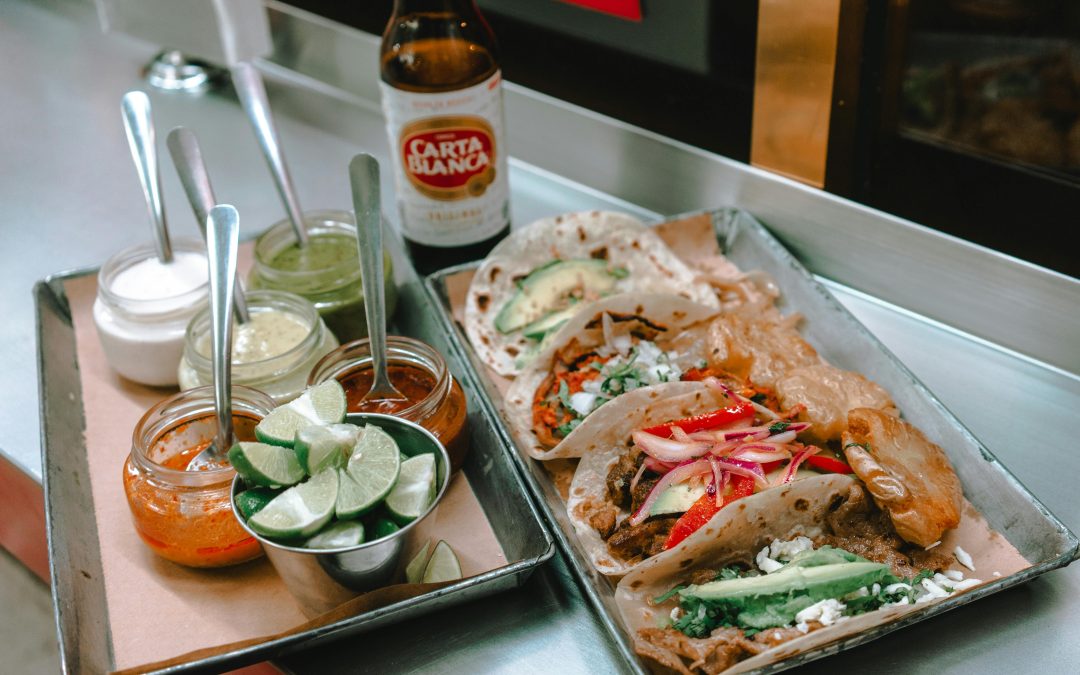
Mexican food has a way of pulling people together. The colors are vibrant, the flavors are bold, and every dish seems to tell a story. Yet many restaurants struggle to recreate that true sense of authenticity diners crave. You might have noticed it yourself. Something tastes good, but it does not feel quite right. That is where professional solutions for authentic Mexican dining experiences come into play. These solutions help bridge the gap between tradition and modern dining expectations, all while keeping the heart of Mexican cuisine intact.
Why Authenticity Matters More Than Ever
Today’s diners are more informed than ever before. Thanks to travel shows, social media, and food documentaries, people know what real Mexican food should look and taste like. According to a 2023 report by the National Restaurant Association, nearly 60 percent of diners say authenticity strongly influences their restaurant choices. That means authenticity is not just a nice bonus. It is a deciding factor.
When restaurants invest in professional solutions for authentic Mexican dining experiences, they meet these rising expectations. They also build trust with customers who want flavors that feel genuine rather than watered down.
Understanding the Roots of Mexican Cuisine
Mexican cuisine is deeply tied to history and regional identity. Dishes vary widely between Oaxaca, Jalisco, Yucatán, and Northern Mexico. Corn, beans, chilies, and squash form the foundation, often referred to as the Mesoamerican food base. UNESCO even recognized traditional Mexican cuisine as an Intangible Cultural Heritage of Humanity in 2010.
Professional guidance helps restaurants respect these roots. Instead of blending everything into a single generic menu, chefs and operators can highlight regional influences in a way that feels intentional and respectful.
Professional Kitchen Practices That Elevate Flavor
Authenticity does not happen by accident. It often comes down to technique and preparation. Professional solutions for authentic Mexican dining experiences focus on getting these details right.
Some key practices include:
- Using fresh masa instead of packaged corn flour when possible
- Slow cooking meats like barbacoa or carnitas using traditional methods
- Roasting chilies and tomatoes to deepen flavor instead of relying on shortcuts
These practices may take more time, but diners notice the difference. Flavor develops naturally, and dishes feel closer to what you would find in a family kitchen in Mexico.
Sourcing Ingredients the Right Way
Ingredients play a massive role in authenticity. Certain chilies, herbs, and spices are essential for true Mexican flavor. For example, dried chilies like guajillo and ancho are not interchangeable with generic chili powder.
Professional solutions often include supplier partnerships that ensure consistent access to authentic ingredients. According to the Specialty Food Association, demand for authentic global ingredients has grown steadily over the past five years. Restaurants that source responsibly not only improve taste but also gain a competitive edge.
Training Staff to Tell the Story
Food alone does not create an authentic experience. Service matters just as much. When servers understand the dishes they are presenting, the entire meal feels more meaningful.
Professional training programs teach staff how to:
- Pronounce dish names correctly
- Explain regional origins of menu items
- Suggest pairings like aguas frescas or traditional Mexican sodas
This kind of knowledge turns a simple meal into an experience. It also helps customers feel more connected to the culture behind the food.
Balancing Tradition With Modern Expectations
Authenticity does not mean ignoring modern dining habits. Many diners care about dietary needs, sustainability, and presentation. The best professional solutions for authentic Mexican dining experiences find a balance.
For example, traditional dishes can be adapted to include vegetarian or gluten free options without losing their soul. Using seasonal produce and reducing food waste aligns with both Mexican cooking traditions and modern sustainability goals.
Designing a Space That Feels Genuine
Ambience plays a subtle but powerful role. Authentic Mexican dining is about warmth, color, and community. Thoughtful design choices can enhance this feeling without falling into stereotypes.
Consider elements like:
- Handcrafted tiles or pottery
- Warm lighting that encourages conversation
- Music that reflects regional Mexican styles rather than generic playlists
When design supports the food, the entire experience feels cohesive and memorable.
Technology as a Supporting Tool
Technology might not seem traditional, but it can support authenticity when used wisely. Inventory systems help manage specialty ingredients efficiently. Reservation platforms reduce wait times, allowing staff to focus on hospitality.
The key is using technology quietly in the background. The spotlight should always stay on the food and the experience, not on screens or gadgets.
The Long Term Benefits of Doing It Right
Investing in professional solutions for authentic Mexican dining experiences pays off over time. Customers return because they trust what you serve. Word of mouth spreads, especially in a world driven by online reviews and social sharing.
A study by Yelp found that restaurants described as authentic in reviews often receive higher ratings and more repeat visits. Authenticity builds loyalty, and loyalty builds lasting success.
Final Takeaway
Authentic Mexican dining is about respect, care, and attention to detail. From ingredients and techniques to staff training and atmosphere, every element matters. When restaurants embrace professional solutions for authentic Mexican dining experiences, they do more than serve food. They share culture, tradition, and a sense of connection that diners truly value.