
Corn, or maize, is a fundamental ingredient in Mexican cuisine, deeply embedded in the country’s culinary history and culture. Here’s a look at the various ways corn is used in traditional Mexican dishes.
1. Tortillas
Corn tortillas are a staple in Mexican cuisine, serving as the base for many dishes. Made from masa harina (corn flour) and water, they are used in tacos, enchiladas, quesadillas, and more. The process of nixtamalization, which involves soaking and cooking corn in an alkaline solution, is crucial for making masa harina.
2. Tamales
Tamales are made from masa (corn dough) filled with meats, cheeses, or vegetables, wrapped in corn husks, and steamed. They are often enjoyed during celebrations and holidays, reflecting their cultural significance and versatility.
3. Pozole
Pozole is a traditional soup made with hominy (dried corn kernels that have been nixtamalized), meat, and various seasonings. It’s a popular dish during festivities and is known for its rich, comforting flavor.
4. Elote and Esquites
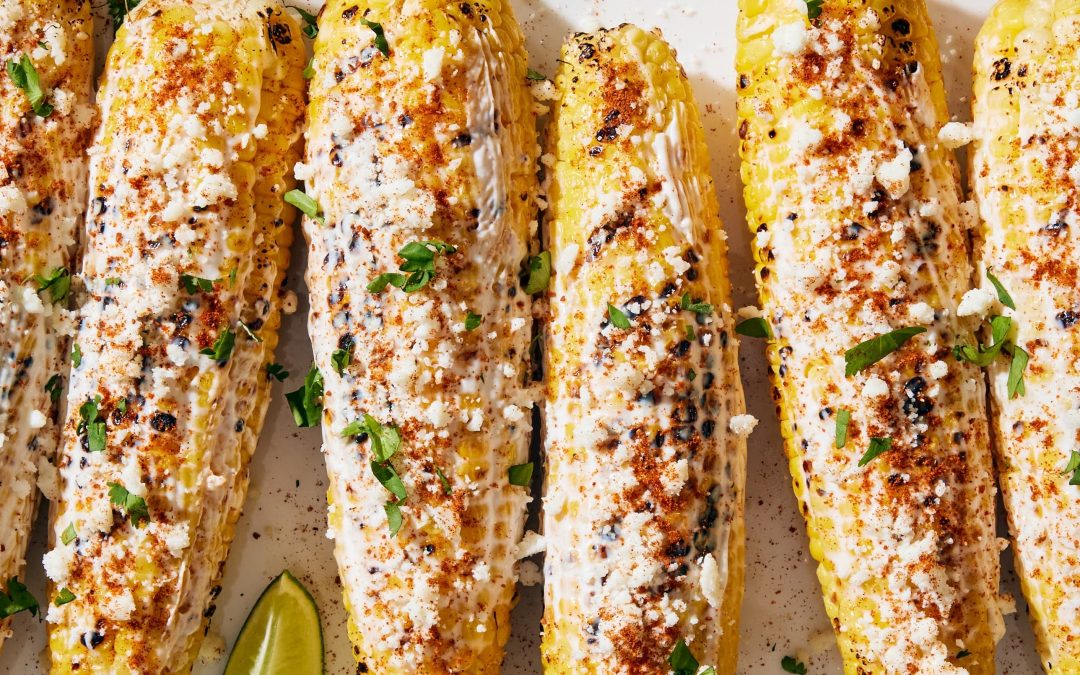
Elote (grilled corn on the cob) is a popular street food, typically slathered with mayonnaise, cotija cheese, chili powder, and lime juice. Esquites are a similar dish, where the corn kernels are removed from the cob and served in a cup with the same toppings, offering a convenient and delicious snack.
5. Atole and Champurrado
Atole is a traditional hot beverage made from masa, water, piloncillo (unrefined cane sugar), and spices. Champurrado is a variation that includes chocolate, providing a rich and creamy drink. Both beverages are especially popular during the cooler months and festive occasions.
6. Sopes and Gorditas
Sopes and gorditas are thick masa cakes that are fried or grilled and topped with a variety of ingredients such as beans, meats, cheese, and salsa. They highlight the versatility of masa in creating different textures and flavors.
Conclusion
Corn plays a central role in Mexican cuisine, evident in staples like tortillas, tamales, pozole, elote, esquites, atole, champurrado, sopes, and gorditas. Its versatility and cultural significance make it an essential ingredient that defines the rich culinary heritage of Mexico.