
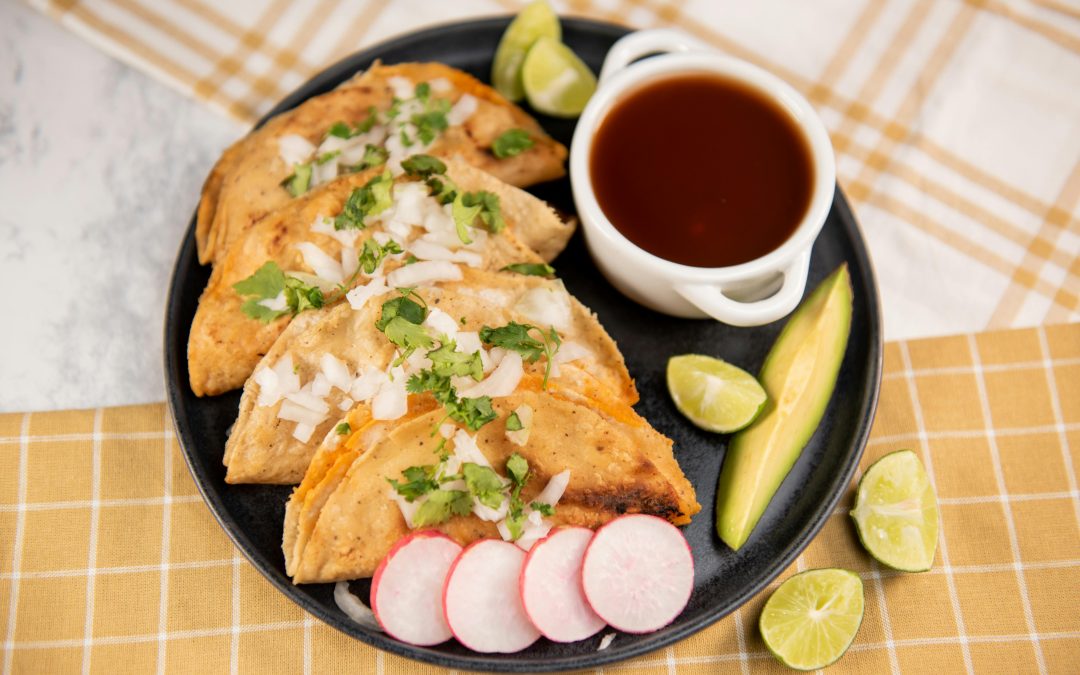
There is something special about sitting down to a meal that feels like a celebration even on an ordinary day. The aromas are warm and inviting, the table is full, and every dish tells a story. That is exactly what makes traditional Mexican dining so memorable. It is not just about eating food. It is about sharing history, culture, and connection through every bite. Whether you have experienced it in a small family kitchen or a lively restaurant, this style of dining has a way of staying with you.
What Makes Traditional Mexican Dining So Unique
At its heart, traditional Mexican dining is deeply rooted in community and tradition. Meals are often prepared with care, passed down through generations, and shared with family and friends. According to UNESCO, traditional Mexican cuisine was added to the Intangible Cultural Heritage of Humanity list in 2010 because of its strong connection to cultural identity and community practices. This recognition highlights how food in Mexico goes beyond nourishment and becomes a living tradition.
You will often notice that meals are unhurried. People sit together, talk, laugh, and enjoy the experience. Food is placed at the center of the table, encouraging everyone to serve themselves and share.
Core Ingredients That Define the Experience
The foundation of Mexican cooking relies on a few essential ingredients that appear again and again, each bringing depth and balance.
Some of the most important staples include:
- Corn, especially in the form of tortillas and tamales
- Beans, which add protein and heartiness
- Chili peppers, offering heat and complexity rather than just spice
- Tomatoes, onions, garlic, and herbs like cilantro
Corn deserves special mention. The Food and Agriculture Organization notes that corn has been cultivated in Mexico for over 7,000 years. This long history explains why it remains central to daily meals and special occasions alike.
The Structure of a Traditional Meal
Traditional Mexican dining often follows a loose structure, though it can vary by region and household. Meals are designed to feel complete without being overly formal.
A typical meal might include:
- A light starter such as soup or rice
- A main dish featuring meat, vegetables, or both
- Fresh tortillas served warm
- Salsas and condiments on the side
- A simple dessert or fresh fruit
Rather than strict courses, dishes may arrive together. This approach keeps the table lively and encourages tasting a little of everything.
Regional Diversity Across Mexico
One of the most exciting aspects of traditional Mexican dining is how different it can be depending on where you are. Each region brings its own flavors, techniques, and specialties.
In Oaxaca, you will find rich moles and handmade tortillas. In coastal areas like Veracruz, seafood and tropical influences shine. Northern regions often focus on grilled meats and wheat-based tortillas. Central Mexico balances all these elements with complex sauces and comforting stews.
This regional variety means that no two meals feel exactly the same, even though they share common roots.
The Role of Family and Celebration
Food plays a major role in family life and celebrations. Birthdays, holidays, and religious events are often marked by dishes that take hours or even days to prepare. Making tamales for Christmas or mole for a wedding is rarely a solo task. It becomes a group effort that brings everyone together.
In traditional Mexican dining, the act of cooking is just as meaningful as eating. Recipes are shared orally, techniques are learned by watching, and memories are created around the stove and table.
Table Etiquette and Dining Customs
While the atmosphere is relaxed, there are unspoken customs that guide the experience. Meals are usually enjoyed slowly, and leaving the table immediately after eating is uncommon. Conversation is part of the meal, not a distraction from it.
It is also common to see gratitude expressed for the food, especially when someone has spent hours preparing it. Complimenting the cook is not just polite, it is expected and appreciated.
Why This Style of Dining Still Matters Today
In a fast-paced world where meals are often rushed, traditional Mexican dining offers a reminder of the value of slowing down. It encourages people to be present, to share, and to appreciate the effort behind each dish.
Even outside Mexico, many families and restaurants try to honor these traditions. By focusing on fresh ingredients, time-tested recipes, and shared meals, they keep the spirit alive while adapting to modern life.
Bringing the Experience Into Your Own Home
You do not need a special occasion to enjoy this style of dining. You can start small by preparing a simple meal and inviting loved ones to share it. Warm tortillas, a homemade salsa, and a comforting main dish can transform an ordinary evening into something meaningful.
Traditional Mexican dining is less about perfection and more about intention. When food is made with care and shared openly, it creates connection.
A Simple Takeaway to Remember
The beauty of traditional Mexican dining lies in its balance of flavor, culture, and community. It shows how food can nourish both the body and the soul. By understanding its roots and embracing its values, you can appreciate not just what is on the plate, but the story behind it.